How to Reduce Food Waste in Your Plates Business
Use a simple waste log, tighter preorder counts, and safer surplus decisions to cut ingredient waste and protect profit in your plates business.
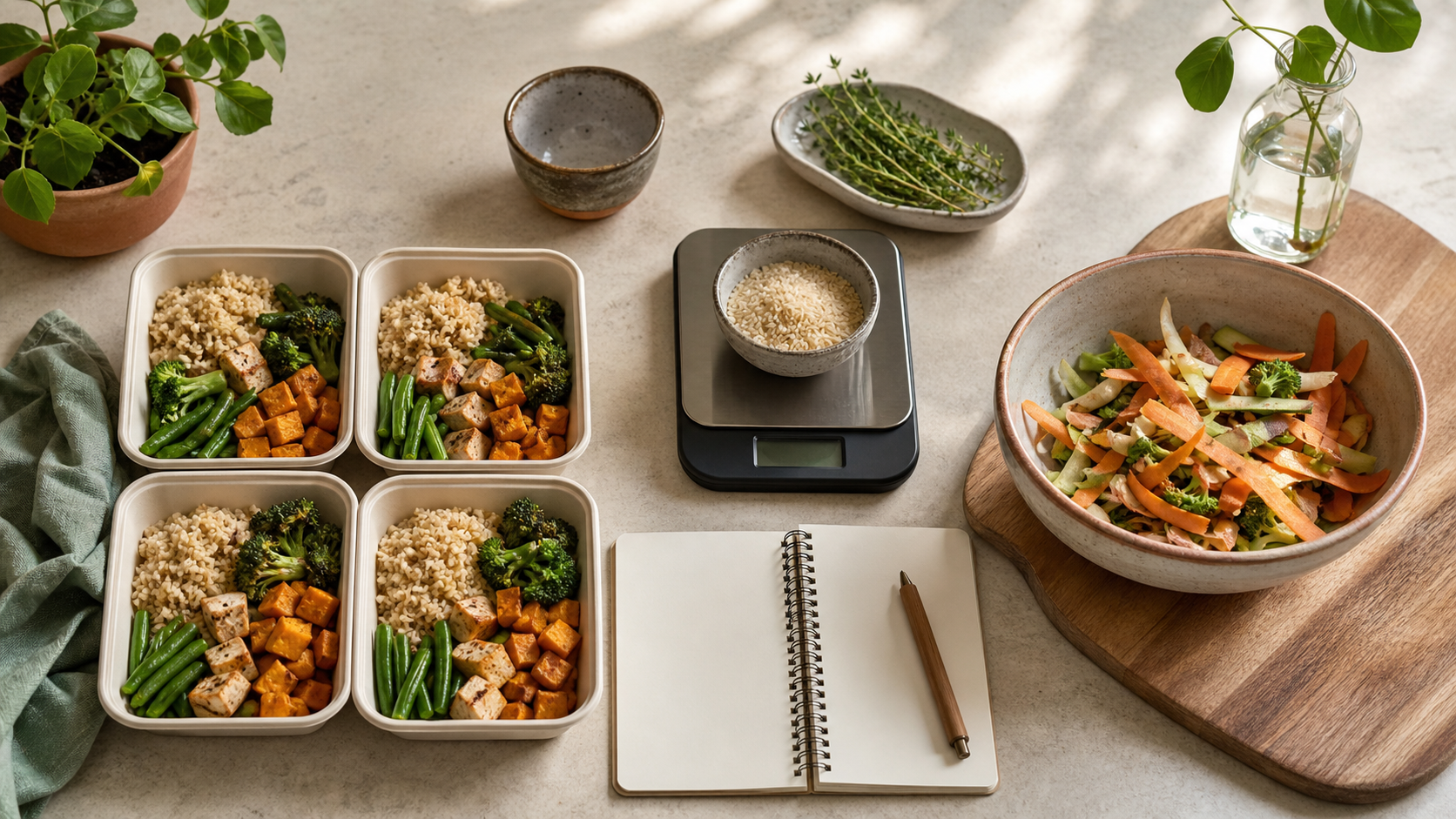
Throwing away one pan of rice may look like a small service-day mistake. Repeating it every week turns groceries, prep time, packaging, and refrigerator space into a hidden expense. The answer is not to find a creative use for every leftover. It is to buy and cook closer to real demand, then make a safe, preplanned decision about anything that remains.
This guide gives you a small-operation system for doing that: separate the kinds of waste, log them in a useful way, turn paid orders into a production cap, and review the result before planning your next menu. It also draws a firm line between an ingredient you can plan into another approved recipe and cooked surplus that may require measured cooling, labeling, or disposal.
Separate waste before trying to reduce it
“We had food left” does not tell you what to change. Sort each loss into the stage where it happened:
- Inventory waste: an ingredient spoiled, expired, leaked, or became unusable before prep.
- Preparation waste: edible food was lost through over-trimming, a cooking error, a dropped batch, or an avoidable recipe mistake.
- Overproduction waste: safe ingredients or finished portions remained because you prepared more than customers collected.
- Packaging waste: a container, lid, label, or bag was damaged, mismatched, or prepared for an order that did not happen.
Keep customer plate waste out of this first audit unless you actually receive reliable feedback about it. For a pickup business, you usually cannot measure what customers leave uneaten. Focus on the food and packaging that pass through your kitchen and can change your next purchase or batch.
The EPA ranks preventing wasted food at the source above trying to manage it after it exists. Its business guidance includes inventorying supplies, comparing inventory with customer ordering, and examining production practices. That order matters: prevention is more dependable than hoping every surplus ingredient can become a special.
Run a simple waste log for four sale days
You do not need software or a trash-can archaeology project. Put a paper sheet or spreadsheet beside your order list and record each avoidable loss before cleanup removes the evidence.
Use these fields:
- Sale date and menu item
- Ingredient, component, finished plate, or package
- Stage: inventory, prep, production, or packing
- Quantity in a consistent unit, such as ounces, portions, or containers
- Estimated cost of the quantity lost
- Reason, such as spoilage, over-trimming, overcooking, extra batch, cancellation, or wrong container
- One possible change for the next service
The EPA’s food-service waste tools emphasize recording the amount, type, and reason for waste so a business can find patterns instead of reacting to one messy day. EPA offers detailed assessments and daily tracking tools; a four-sale-day log is a smaller starting point for a weekly plate seller, not an EPA-required audit period.
Record usable inventory separately from waste. Six unopened cans that remain within their storage requirements are not lost food. Neither are frozen raw ingredients that were safely stored, labeled, and included in the next approved purchasing plan. Calling all leftovers “waste” will make your numbers dramatic but less useful.
Turn paid orders into a production cap
Start the production plan with confirmed orders, not social-media likes or the number of people who said the menu looked good. Then add only a buffer you can explain from your own records.
Imagine you have 24 paid chicken-plate orders. Your last four comparable sales show that two additional plates usually sell during the final order window, while an extra pan routinely leaves four portions unsold. For this service, you might cap production at 26 plates instead of cooking the 30 portions that fit your usual pan setup. The two-plate buffer is an example based on that seller’s record, not a benchmark for every business.
Work backward from the cap:
- Confirm the tested yield of the recipe in portions.
- Multiply each per-portion ingredient amount by the production cap.
- Compare the result with usable inventory already on hand.
- Round purchasing to the package sizes you can actually buy.
- Decide what any unopened remainder is assigned to before shopping.
If one batch yields 12 portions and you need 26, do not automatically make three full batches. Test whether your recipe can be scaled accurately or whether a smaller final batch protects quality. If it cannot, the menu design—not the customer—may be creating the waste.
This is where costing and waste control meet. The plate-pricing method helps you include ingredients, packaging, labor, and overhead; your waste log shows when the quantities behind those costs need to change.
Build a menu that shares ingredients on purpose
Cross-use is helpful when it is planned before prep. It is risky when it becomes a last-minute attempt to rescue food whose handling history is unclear.
Choose a small menu in which selected ingredients have more than one approved destination. The same raw cabbage might be allocated to a side and a slaw, or one verified sauce base might support two menu items before their final seasonings are added. Track allergens and subingredients in each finished recipe; shared ingredients do not make two dishes interchangeable.
Set rules for each component:
- Which unopened ingredients can return to inventory?
- Which prepared components may be used in another approved item?
- What label and storage record does each component require?
- When must a component be discarded rather than carried forward?
- Does your permit allow the proposed preparation, storage, and later sale?
A focused menu also makes buying and batching easier. The guide to starting a plates business with fewer dishes explains why a small first menu protects consistency as well as workload.
Do not advertise a surprise special merely because an ingredient needs to be used. A special still needs a known recipe, honest description, complete ingredient review, correct price, enough demand, and a lawful production process. If those pieces are missing, buying less next time is the better lesson.
Decide what happens to surplus before service
Finished food is not automatically tomorrow’s sellable inventory. Before the first batch is cooked, write the allowed action for each likely surplus: continue approved holding for the current service, cool and store under an approved procedure, reserve for the operator’s household when safe, or discard.
For temperature-controlled food, a vague instruction to “put it in the fridge” is not a cooling procedure. The FDA model Food Code’s cooling criteria use measured time and temperature stages for cooked food and list methods such as shallow pans, smaller portions, ice-water baths, and rapid-cooling equipment. The model also includes date-marking controls for certain refrigerated ready-to-eat foods held more than 24 hours.
Those provisions are a model, not automatic permission to cool and resell a meal from a home kitchen. The CDC’s research on restaurant cooling highlights temperature monitoring, food depth, and ventilation because equipment and method affect how quickly food cools. If you have not verified the applicable rule, equipment capacity, cooling checks, storage label, and later-use limit, do not carry cooked surplus into another sale.
USDA’s consumer guidance similarly recommends dividing large quantities into shallow containers for rapid cooling. Consumer leftover advice is not a substitute for a food business procedure. A deep stockpot placed in a crowded refrigerator, an unlabeled tray, or a container with no temperature record should not become next week’s inventory because it looks or smells acceptable.
Confirm the controlling requirements with the authority that regulates your business. FDA’s startup overview says home-food requirements vary by product, facility, and jurisdiction, and directs operators to state and local health departments as well as applicable federal rules.
Change one cause at a time
At the end of four sale days, total the waste by item and reason. Look for the largest repeatable cause you control. Do not redesign the whole menu around a single burned tray or unusual cancellation.
Choose one change for the next comparable service:
- Lower one purchase quantity.
- Reduce the production buffer for one item.
- Make the final batch smaller or later.
- Change a prep method that creates avoidable trim.
- Buy a package size that matches the tested recipe yield.
- Require payment by the order cutoff before counting a plate.
- Remove a low-demand side that forces a separate ingredient purchase.
Keep the menu and other major variables steady enough to judge the result. After the next sale, compare the same waste category, portions sold, stock remaining, and customer complaints. A smaller waste total is useful only if you did not create stockouts, rushed substitutions, unsafe holding, or weaker portions to achieve it.
Use a six-point plan for the next menu
Before shopping, confirm:
- Demand: Paid orders and a documented buffer set the cap.
- Yield: Each recipe has a tested number of consistent portions.
- Inventory: Usable stock on hand is counted before new purchases.
- Cross-use: Shared ingredients have approved recipes and allergen records.
- Surplus: Every likely remainder has a lawful, safe action decided in advance.
- Review: Waste quantity, cost, reason, and next change will be logged after service.
Start with the item you most often throw away. Measure it for four sale days, connect it to the order and batch that created it, and change one purchasing or production decision. Food waste becomes manageable when it stops being a guilty guess and becomes a number your next menu can answer.
Ready to move?
Turn the research phase into your first sale.
The guide brings pricing, menu planning, marketing, and setup into one clear playbook.
Get the guide on Gumroad