How to price food plates so you actually make money
Use a simple formula to price your food plates with ingredients, packaging, labor, overhead, and profit built in.
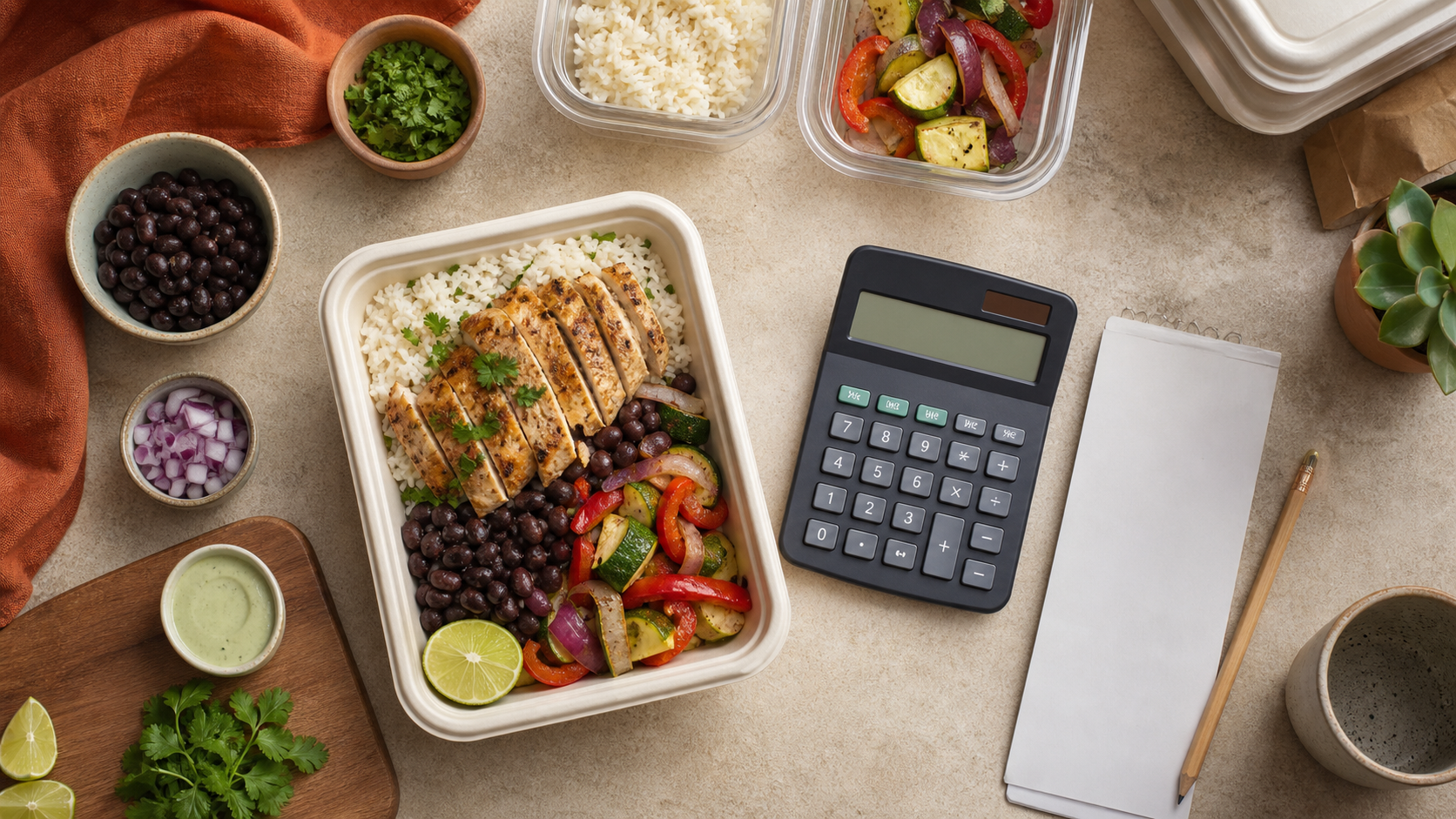
Use a real pricing formula
A sustainable plate price covers more than groceries. Every sale should pay for ingredients, packaging, labor, overhead, and profit.
A simple way to think about it is this: plate price equals ingredients plus packaging plus labor plus overhead plus profit.
Count more than the obvious food cost
Home cooks often remember the protein and starch but forget sauce cups, labels, bread, garnish, oil, seasoning, utensils, and carry bags.
Those details seem small until you stack them across twenty or thirty orders.
Pay yourself for labor
If your business only works when your own time is treated as free, it is not really working.
Estimate how many hours shopping, prepping, cooking, packaging, and handoff actually take. Then spread that labor cost across the number of plates sold.
Use add-ons to lift average order value
Desserts, drinks, extra sides, and premium upgrades can improve margins without making the main plate feel too expensive.
The best pricing strategy is not about being the cheapest. It is about charging in a way that lets you keep showing up consistently and profitably.
Ready to move?
Turn the research phase into your first sale.
The guide brings pricing, menu planning, marketing, and setup into one clear playbook.
Get the guide on Gumroad