How to Build a Sick-Day Plan for Plate Sales
Build a sick-day plan for plate sales with clear stop-work triggers, protected food, customer updates, backup decisions, and a rule-based return.
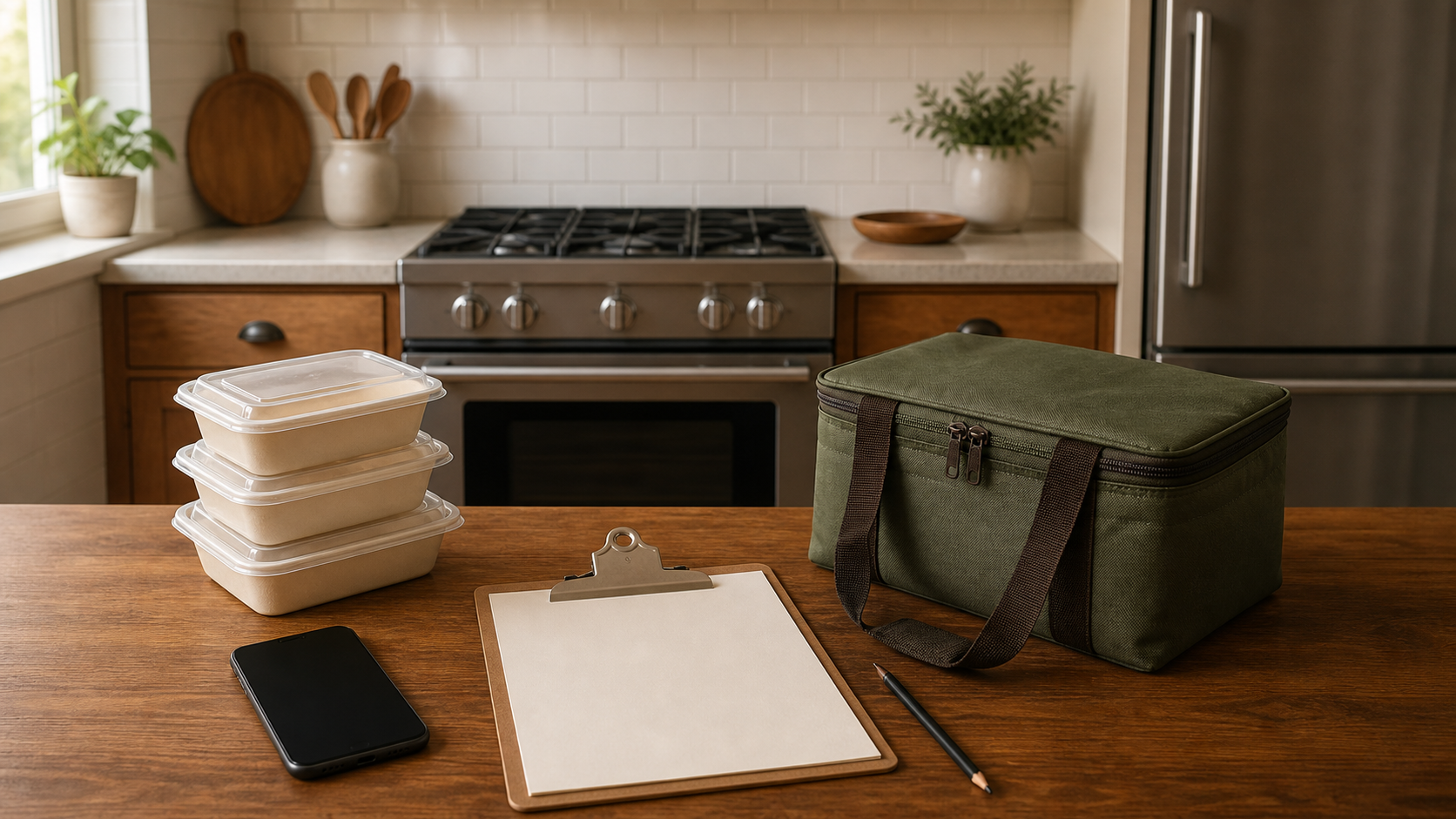
A sold-out menu creates pressure to keep going even when the cook wakes up sick. Ingredients are paid for, customers expect pickup, and canceling feels expensive. But a decision made after prep begins can put food, coworkers, and customers at risk while making refunds and cleanup harder.
This guide will help you build a sick-day plan before that pressure arrives. You will define stop-work triggers, assign the decision, protect food already in process, resolve paid orders, and use a documented return check instead of deciding that someone “feels fine.”
Illness rules depend on symptoms, diagnosis, duties, population served, and jurisdiction. The FDA Employee Health Policy Tool is based on the model Food Code and tells users to follow their state, local, tribal, or territorial health code. Confirm the reporting, exclusion, restriction, food-disposition, cleanup, and clearance requirements for your operation with the responsible authority.
Write the stop-work triggers before opening orders
Do not reduce the plan to “stay home if you are sick.” Write the symptoms, diagnoses, exposures, and wounds that must be reported, who receives the report, and who decides whether the person is excluded from the operation or restricted from particular duties.
CDC’s review of sick-worker policies in restaurants notes that strong policies identify symptoms that keep people from working. It highlights vomiting, diarrhea, jaundice, sore throat with fever, and infected wounds or cuts as signals addressed by the Food Code. A diagnosis or exposure can change the decision even when a person feels better.
Build a one-page reporting prompt with:
- The symptom or diagnosis and when it began
- The last food, packaging, equipment, or surface the person handled
- Whether vomiting or diarrhea occurred in the food area
- Whether any ready-to-eat food was handled after symptoms began
- The sale date, stage of production, and orders affected
- The authority or approved decision tool that controls the next action
This is an operational report, not a medical diagnosis. Do not ask a helper to guess whether an illness is contagious. Route the facts through your adopted policy and contact the health authority or a healthcare professional when the applicable rule requires it.
Put one person in charge of the decision
CDC recommends that managers take a proactive role instead of leaving the work decision entirely to the sick person. For a solo plate seller, that means making the decision in writing while healthy: if a listed stop trigger occurs, production pauses and the cancellation path starts automatically.
If other people help, name one trained person who can receive the report and activate the plan. Give that person access to the paid-order roster, approved food-safety procedures, regulator contact, refund method, customer message, and production record. A helper should not have to negotiate with the sick cook while orders are waiting.
A backup cook is not automatically a safe or legal solution. Confirm in advance that the person, kitchen, permit, recipes, allergen records, equipment, and supervision are approved for the work. If any part is uncertain, cancel or reschedule rather than quietly moving production to another home.
Connect this decision to the production schedule. Mark the last point at which the menu can be safely postponed, reduced, transferred under an approved plan, or canceled. Once that point passes, the plan should become simpler—not more improvised.
Stop, isolate, and reconstruct what happened
If illness appears during prep, stop the affected person’s food work. Protect unaffected ingredients and packaging from further handling, close active equipment safely, and keep other people out of the area until the event is assessed. Do not rush to finish “just the cooked items.”
Use the production record to reconstruct:
- When symptoms first appeared or were reported
- Which batches, utensils, surfaces, handles, containers, and ready-to-eat foods were handled
- Whether there was a vomiting or diarrheal event in or near the food area
- Which food remained sealed and protected
- Which orders contain food with uncertain exposure
CDC says food that might be contaminated with norovirus should be thrown out. It also calls for immediate cleaning and disinfection after vomiting or diarrhea. Do not try to rescue uncertain food by reheating, relabeling, or giving it to family. Isolate it and follow the disposition required by your authority and written procedure.
A bodily-fluid event is not an ordinary counter reset. The December 2024 supplement to the FDA Food Code distinguishes disinfection from routine sanitizing and discusses written response plans. Keep people away from the area and use the personal protection, product, concentration, contact time, disposal method, and reopening decision required by your plan and the product label. Never mix chemicals or improvise a stronger solution.
Resolve paid orders without sharing health details
Use the clean paid-order roster from your preorder system and move every order to one outcome: canceled and refunded, rescheduled with the customer’s agreement, or transferred only through a preapproved operating arrangement.
Prepare a short message before you need it:
Today’s plate pickup is canceled because I cannot complete the menu under my operating requirements. Your full refund has been started to the original payment method. I am sorry for the disruption and will send confirmation when the refund is complete.
That message is an example. Match the promise to your posted policy, payment processor, and actual timing. Do not reveal a worker’s medical information, invent a kitchen-equipment excuse, or promise a replacement date before the operation is cleared to resume.
Track each order with the message time, chosen resolution, refund reference, and completion status. Then update every public menu post and ordering link so new customers cannot pay for a canceled service. If pickup is close, contact customers directly rather than relying on one social post.
Reduce the pressure to cook while sick
CDC found that staffing, financial, and social pressure can influence people to work while ill. Its guidance recommends written reporting policies and schedules that make staying home possible. The CDC’s Shigella guidance for food workers and managers also suggests cross-training and replacement plans.
Adapt that advice to the size of your operation:
- Keep a refund reserve instead of depending on the next sale’s cash.
- Set preorder terms that explain cancellation and refund handling.
- Store the paid-order list where an authorized backup can access it.
- Cross-train helpers only for duties they are permitted and prepared to perform.
- Choose a menu size that one missing person does not force unsafe shortcuts.
- Keep regulator, processor, supplier, and customer-contact details in the plan.
Do not build the backup around questionable food. A later sale does not make an exposed batch acceptable, and freezing does not erase an uncertain history. The food-waste workflow can help record the loss and change future purchasing without turning unsafe surplus into inventory.
Use a return decision, not a countdown guess
“Twenty-four hours without symptoms” is not a universal return rule. Criteria can differ for an undiagnosed symptom, a confirmed pathogen, an infected wound, a highly susceptible population, and a requirement for medical or regulatory clearance. Use the current rule adopted for your operation and record the authority behind the decision.
For norovirus specifically, CDC tells food workers to stay home while sick and for at least 48 hours after symptoms stop. CDC gives a similar minimum of two days after diarrhea ends in its Shigella guidance. Those pathogen-specific recommendations are a floor for those situations, not blanket permission to return after every illness. The FDA tool and local authority may require a different or additional step when a diagnosis, exposure, or population served changes the case.
Use a return record with:
| Check | Record |
|---|---|
| Original report | Symptom, diagnosis, exposure, or wound and first report time |
| Controlling rule | Local code, health-authority instruction, or approved policy version |
| Required condition | Symptom-free interval, protection of a wound, restriction, or clearance |
| Evidence | Date and time the condition was met and any required authorization |
| First duties | Work the person may perform on return and any temporary limits |
| Review | Person who confirmed the decision and date |
Handwashing, gloves, and medication do not cancel an exclusion. CDC notes that hand sanitizer may supplement but does not replace soap-and-water handwashing for norovirus. Resume only after the required conditions are met, then reinforce the normal hygiene and no-bare-hand-contact controls in your procedure.
Run the sick-day plan before the next menu drop
Test the plan with a simple scenario: the cook reports vomiting at 6 a.m., prep was scheduled for 8 a.m., and 18 paid pickups begin at 5 p.m. Can another authorized person stop the ordering page, identify every paid order, issue the promised refunds, protect unopened ingredients, and record the decision without asking the sick cook to enter the kitchen?
Before the next sale, confirm:
- Triggers: Reportable symptoms, diagnoses, exposures, and wounds are written clearly.
- Authority: The current local rule and decision contact are easy to find.
- Ownership: One person can pause production and customer ordering.
- Food: The record can identify handled batches and protected inventory.
- Cleanup: A bodily-fluid response is separate from routine sanitation.
- Customers: The roster, message, refund process, and public updates are ready.
- Return: No one resumes work through a guess or a generic countdown.
Run the scenario once while everyone is healthy and fix the missing access, policy, or contact. A good sick-day plan makes the hard decision early, protects customers, and gives the business a clean path back to the next approved sale. The Selling Plates guide can help connect that contingency to the menu, pricing, ordering, and repeatable weekly system around it.
Ready to move?
Turn the research phase into your first sale.
The guide brings pricing, menu planning, marketing, and setup into one clear playbook.
Get the guide on Gumroad