Can You Sell Food on Facebook Marketplace? A Seller Guide
Learn when a food listing may fit Facebook Marketplace, how to check local permission, write an accurate offer, and move buyers into one order path.
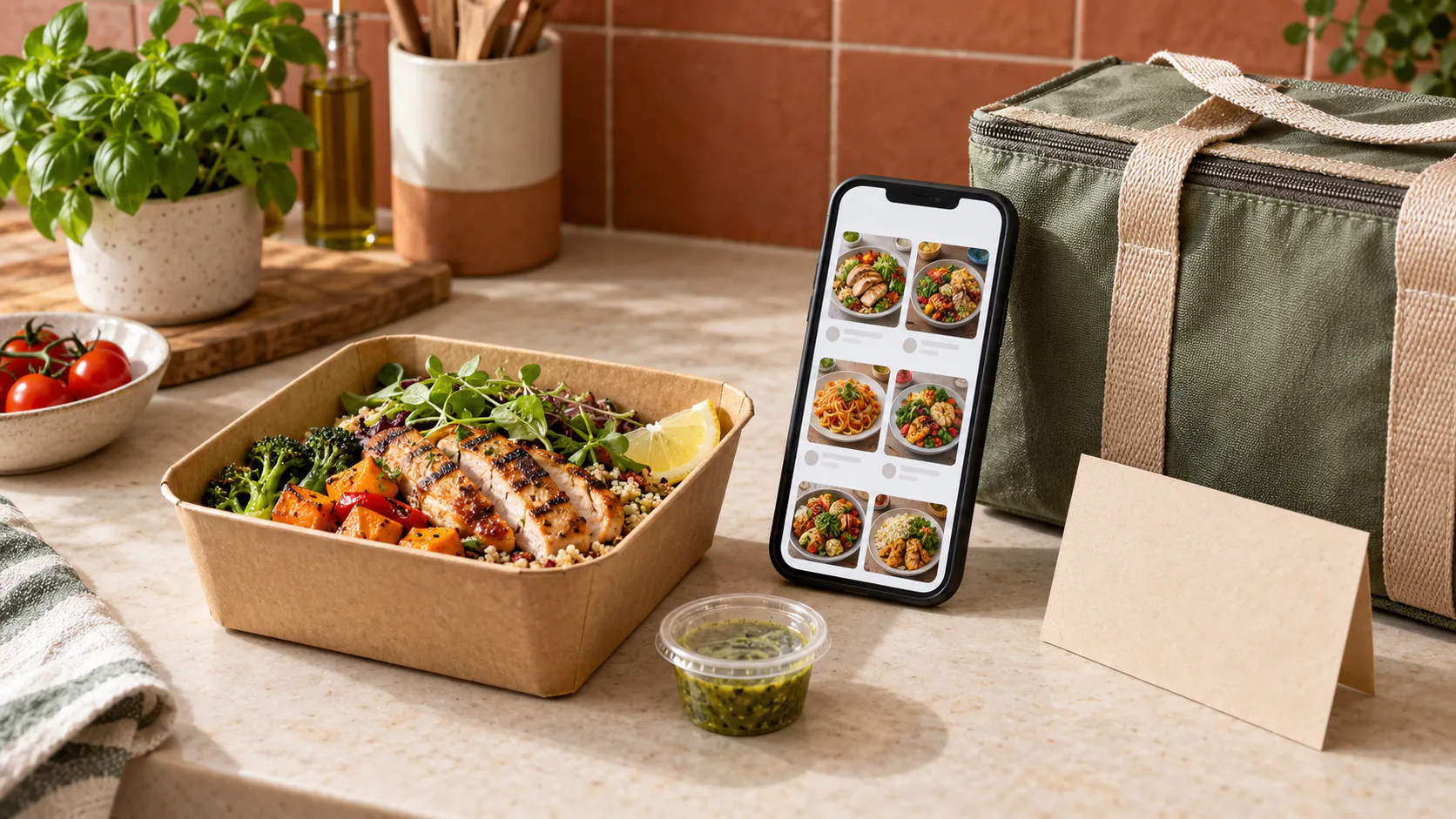
Food found through Facebook Marketplace has become a creator-video format as well as a local buying habit. Recent reporting from the Houston Chronicle and Arizona’s Family shows sellers receiving sudden attention after Marketplace food pickups appeared in social videos.
That visibility does not settle the seller’s real question: Can you list this specific food, made in this kitchen, for this customer handoff? The practical answer is maybe. You need two separate yeses—one from the platform rules and one from the authorities that regulate your food business. Then you need a listing and order process that can handle interest without turning Messenger into an unreliable kitchen ticket.
Clear the platform gate before you publish
Start with Meta’s current Commerce Policies, not a screenshot, old forum reply, or another seller’s live listing. The policies cover commerce content on Marketplace, and Meta can reject or remove listings or restrict commerce access when a listing does not meet its requirements. Review the policy while signed in because some official help and policy pages may redirect unauthenticated visitors.
Do not translate “I can see other meals for sale” into “Meta approved my meal.” A visible listing shows only that the listing is visible at that moment. It does not prove that the product is eligible under every current platform rule, that the seller has permission from a regulator, or that the listing will remain live.
Run a short platform check for the exact offer:
- Is there a real food item for sale rather than a vague service, announcement, or request?
- Does the item avoid every prohibited or restricted category named in the current policies?
- Does the account and listing method remain eligible in your country and selling context?
- Can the title, image, category, price, location, and description represent the actual item without evasion?
- If the listing is rejected, will you stop and use the official review route rather than repeatedly reposting altered versions?
Save the policy URL and the date you checked it. Platform eligibility can change, so make this a pre-publication check for each new offer rather than a one-time assumption.
Clear the food-business gate for the menu and address
Marketplace does not issue a food permit. The FDA’s food-business starting guidance explains that requirements vary with the product and facility and that retail food businesses are generally regulated by state and local government. A home-based seller should check federal, state, county, and city requirements that apply to the actual operation.
Ask the responsible authority a precise question. “Can I sell food online?” is too broad. Use the menu, kitchen, and handoff:
May I prepare this chicken-and-rice meal with refrigerated sides at this address, advertise it on Facebook Marketplace, take preorders, and provide Saturday pickup or personal delivery?
That question lets the regulator distinguish shelf-stable cottage food from a meal that needs time and temperature control, a home kitchen from an approved facility, and advertising from payment or fulfillment.
State rules can differ and can change. Texas’s current cottage-food guidance, for example, names food exclusions, registration conditions for some foods, packaging and labeling duties, and conditions for online purchases and personal delivery. That page is evidence about Texas, not permission in another state—and it is not permission for every Texas menu.
Before taking payment, write down:
- the responsible agency and contact;
- the approved food and facility route;
- any permit, registration, training, labeling, tax, zoning, or handoff conditions;
- whether online advertising, payment, pickup, and delivery are each allowed;
- the date and official page or written response you relied on.
If the meal is not allowed from your home, change the product, use an approved kitchen, or pause the offer. The hot-meal permission guide walks through that decision without pretending one state’s answer applies nationwide.
Build a Marketplace listing that matches the paid plate
Once both gates are clear, treat the listing as an advertisement for one defined unit. The FTC’s small-business advertising guidance says ads must be truthful and non-deceptive, supported where they make objective claims, and judged by the overall impression created by words, images, and omissions.
Use a current photo of the real sale portion. Then give the buyer enough information to decide without a long private exchange:
| Listing field | What to state |
|---|---|
| Item | Exact main, included sides, sauces, and piece count or portion |
| Price | Total base price and any required fee or paid add-on |
| Availability | Sale date, order cutoff, quantity cap, and sold-out status |
| Handoff | General pickup area or delivery boundary and time window |
| Order rule | The one step that confirms an order and payment deadline |
| Required information | Any disclosure, label, ingredient, allergen, or safe-handling information your authority requires |
Do not show a larger portion than the buyer receives. Do not hide a required fee until Messenger. Avoid unsupported claims such as “allergen-free,” “healthy,” “licensed,” or “organic.” The separate menu-description formula can help you turn the approved recipe and portion into clear copy.
Protect the pickup address as well. A Marketplace location can define the service area without publishing a private home address in the description. Give the exact address only through the controlled confirmation process and only when both the platform and your local rules allow that handoff.
Use Marketplace for discovery, not as the order ledger
A Marketplace message is useful interest; it is not automatically a confirmed order. Buyers can ask “Is this available?”, change quantities, disappear, or send incomplete details. If the kitchen cooks from the message inbox, customer questions and accepted orders become indistinguishable.
Point every interested buyer to one order route that captures:
- item and quantity;
- permitted choices and add-ons;
- customer name and contact method;
- pickup slot or delivery selection;
- payment status;
- confirmation and cancellation terms;
- any required customer acknowledgement.
Reply with the same short instruction each time: “Yes—orders are open until 7 p.m. Wednesday or until 20 plates sell. Please use this order page; the order is confirmed after payment.” Close or update the Marketplace listing when the cap is reached so the public promise matches capacity.
The simple online ordering guide shows how to create that customer path. Behind it, a preorder system can separate requested, awaiting-payment, paid, canceled, ready, and fulfilled orders.
Prepare for attention without planning on virality
A creator feature may send many messages quickly, but the 2026 examples are not a forecast for another seller. Build the listing around the number of safe, accurate orders you can produce—not the number of views you hope to receive.
Before inviting a reviewer or accepting a rush of interest:
- set the order cap from tested kitchen and cold/hot-holding capacity;
- keep one approved menu version and one current photo;
- decide who closes the listing and updates sold-out messages;
- prepare a waitlist response that does not promise extra food;
- record which orders came from Marketplace without exposing customer details;
- disclose any free meal, discount, or other material connection when a creator posts about the food.
If one listing brings more demand than you can fulfill, keep the cap. A clean sold-out message protects trust better than accepting orders that will be late, inconsistent, or unsafe. Use the broader Facebook plate marketing guide for the repeat campaign after the Marketplace test proves manageable.
Make the go-or-no-go decision in ten minutes
Do not publish until every answer is yes:
- The exact item and listing format fit the current Meta Commerce Policies.
- The food, kitchen, advertising route, payment method, and handoff are allowed for this address.
- Required training, registration, permit, labeling, tax, and zoning steps are complete.
- The image shows the actual sale portion and the description states the complete offer.
- One order path controls quantity, choices, payment, and confirmation.
- The pickup or delivery plan protects privacy and fits the permission you received.
- The kitchen can stop at the published cap even if attention spikes.
If one answer is no or unknown, pause the listing and resolve that gate. If every answer is yes, publish one bounded offer, move each buyer into the central order record, and review the result after fulfillment. Marketplace can help local customers discover a plate sale, but the durable business comes from permission, an accurate promise, controlled orders, and a handoff you can repeat.
Ready to move?
Turn the research phase into your first sale.
The guide brings pricing, menu planning, marketing, and setup into one clear playbook.
Get the guide on Gumroad